Integrating AI Agents with Your Tools
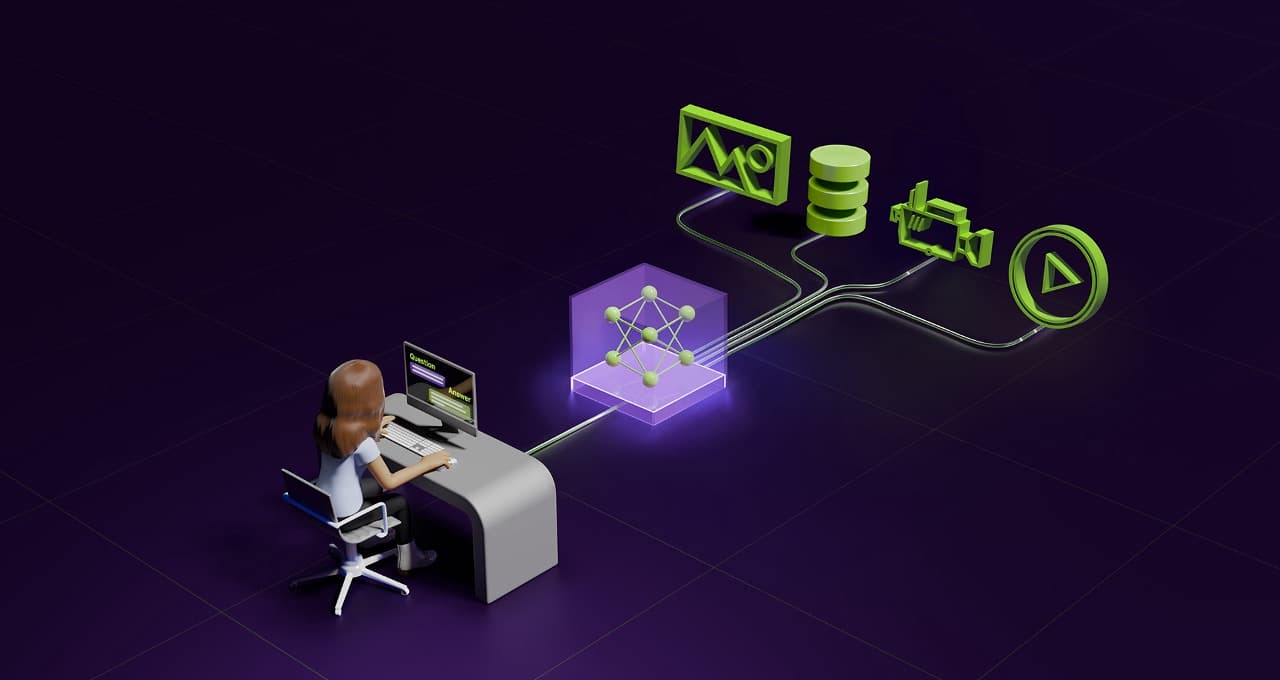
When it comes to AI agents, integration is where the rubber meets the road. You can have the smartest model in the world, but if it can't access your business data or trigger actions in your systems, it's just a fancy demo. In this article, we'll take a technical, practical look at what it really takes to connect AI agents to your tools—and how to do it safely, reliably, and for maximum business value.
Where to Start: Mapping Your Digital Landscape
The first step is to map out your digital ecosystem. What are the core systems that run your business? For most SMEs, these include your CRM (for customer context), calendar and booking systems (for scheduling automation), and order or inventory systems (for operations). Prioritise integrations that will deliver the biggest impact with the least complexity. Quick wins build momentum and help secure buy-in for broader automation.
APIs: The Backbone of Integration
Most modern business tools offer APIs (Application Programming Interfaces) that allow external systems—like your AI agent—to read and write data. When evaluating a tool, check its API documentation: Does it support the operations you need? Is it well-documented and stable? Does it offer webhooks for real-time updates? A robust API is the foundation for reliable, scalable integration.
Design Principles for Robust Integrations
- Use secure, scoped API keys and role-based access to limit risk
- Prefer event-driven updates (webhooks) over polling for efficiency
- Implement clear rate-limiting and back-off strategies to avoid service disruptions
- Keep transformation logic in a single, auditable layer for easier troubleshooting
- Document every integration point and maintain version control
These patterns reduce surprises and make it easier to troubleshoot when integrations fail. They also make it safer to grant an agent the ability to act—by ensuring that actions are logged and reversible. Always test integrations in a sandbox environment before going live, and have a rollback plan in case something goes wrong.
Monitoring, Logging, and Reliability
Integration is not "set and forget." Instrument every connector with metrics and logging so teams can watch for failures and performance regressions. Set up alerts for critical errors and create runbooks for common issues. Regularly review logs to spot patterns and preempt problems. Reliability is about more than uptime—it's about trust. Your team needs to know that the agent will act predictably, and that you can quickly diagnose and fix issues when they arise.
Security and Compliance: Protecting Your Data
Security should be baked in from day one. Use encrypted connections (HTTPS), rotate API keys regularly, and restrict access to only what the agent needs. For sensitive workflows, keep a human in the loop and maintain detailed audit logs. If you operate in a regulated industry, make sure your integrations comply with relevant standards (GDPR, HIPAA, etc.).
Business Examples: Integration in Action
Let's look at a few real-world scenarios:
- Retail SME: Connect an AI agent to your order system to automatically process returns and issue refunds when criteria are met. The agent checks eligibility, generates return labels, and updates inventory—all without human intervention.
- Professional Services: Integrate with calendars and CRMs to auto-schedule follow-ups, prepare client-specific documents, and trigger reminders. The agent can even draft personalised emails based on client history.
- Manufacturing: Link the agent to production databases to monitor equipment status, flag anomalies, and schedule maintenance before breakdowns occur.
The key is end-to-end automation combined with thoughtful safeguards. Start small, measure impact, and expand as confidence grows. Integration is a journey, not a one-off project.
The Road Ahead: Scaling Integrations
As your business grows, so will your integration needs. Invest in modular, well-documented connectors that can be reused across workflows. Consider using integration platforms (like Zapier or Make) for rapid prototyping, then move to custom code for mission-critical processes. The goal is to build a flexible, resilient foundation that supports innovation without creating technical debt.
Final Thoughts
Integrating AI agents with your tools isn't just a technical challenge—it's a strategic opportunity. With the right approach, you can unlock new efficiencies, improve customer experiences, and future-proof your business. If you're ready to take the next step, Inov8labs is here to help you design, build, and scale integrations that work for you.
Keywords: integrations, CRM, calendar automation, logging, monitoring, API, security, compliance, SME, automation